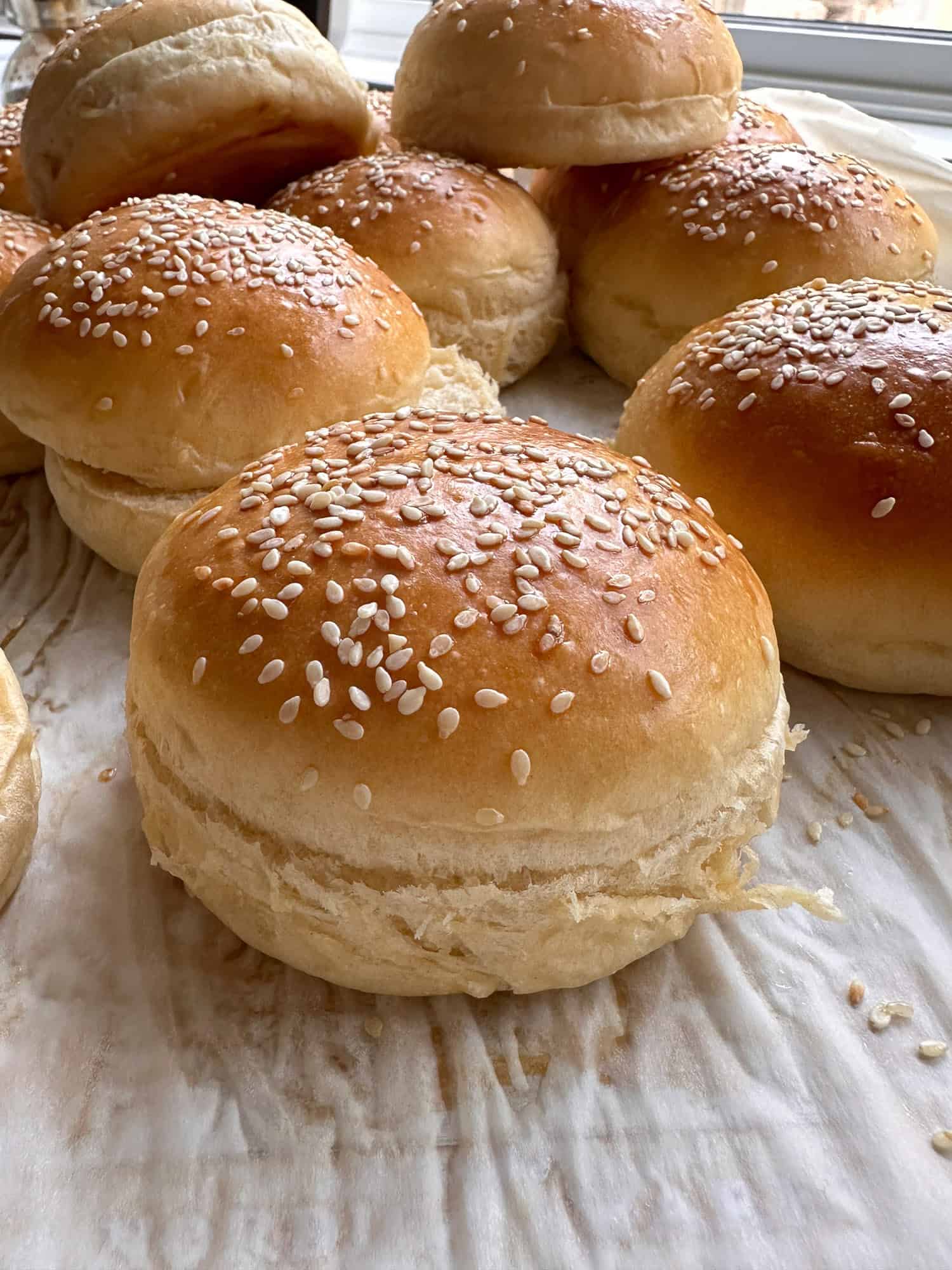
Why Your Family Will Beg for These Homemade Burger Buns
Imagine biting into the perfect burger: juicy patty, crisp lettuce, tangy sauce, all held together by a bun that’s impossibly soft, slightly sweet, and boasts a hint of toasted perfection. Now, imagine that bun was crafted with your own hands, filling your kitchen with an aroma that signals pure comfort. This isn't just a fantasy; it's the reality of homemade burger buns, a culinary revelation that promises to transform your burger nights from ordinary to utterly unforgettable. Forget the dry, crumbly, and often flavorless store-bought alternatives. Once your family tastes the difference, they won't just ask for homemade – they'll *beg* for them.
The Secret Weapon for Superior Burgers: Why Store-Bought Won't Cut It Anymore
For too long, the humble burger bun has been an afterthought, a mere vehicle for the glorious patty and toppings. But a truly great burger understands that the bun is as crucial as the meat itself. Think about it: a flimsy, bland bun can sabotage even the most perfectly cooked patty, leaving you with a disjointed, disappointing experience. Store-bought buns often suffer from a multitude of sins – they're frequently dry, lacking in flavor, prone to falling apart, and can contain a list of ingredients that raises an eyebrow. They sit on shelves for days, losing their freshness and vibrant texture long before they reach your dinner table.
Homemade burger buns, however, are a different story entirely. From the moment they emerge from your oven, they exude an intoxicating aroma of fresh-baked bread. Their texture is a revelation: pillowy soft, with just the right amount of chew, and sturdy enough to cradle even the most loaded burger without collapsing. This isn't just about taste; it's about the entire sensory experience. The warmth, the incredible freshness, and the satisfaction of knowing exactly what went into your meal elevate every single bite. It's this combination of unparalleled taste, superior texture, and wholesome goodness that makes homemade buns an absolute game-changer.
Two Paths to Perfection: The Bread Machine & The Tangzhong Method
The idea of making bread from scratch might conjure images of hours spent kneading, proofing, and generally slaving away in the kitchen. Historically, it certainly could be a labor-intensive endeavor. However, modern culinary techniques and handy kitchen gadgets have made the process surprisingly accessible, even for novice bakers. There are primarily two fantastic methods that stand out for creating incredible homemade burger buns: the ease of the bread machine and the magic of the Tangzhong method. Both deliver exceptional results, offering different pathways to achieve that coveted soft, fluffy bun texture that will have your family raving.
Effortless Excellence: Your Bread Machine as a Burger Bun Architect
If the thought of kneading dough by hand feels daunting, your bread machine is about to become your new best friend. It’s truly a secret weapon for anyone looking to simplify the bread-making process without compromising on quality. The bread machine handles all the heavy lifting – mixing, kneading, and often the first rise – with minimal effort on your part. This "measure and go" approach transforms what many perceive as a difficult task into a straightforward, enjoyable one.
To create wonderfully soft and tender burger buns using a bread machine, you'll typically start by adding your liquid ingredients first, followed by dry ingredients, and finally the yeast on top. A common recipe calls for ingredients like slightly warmed milk, a beaten egg, softened butter, sugar, salt, bread flour, and active dry yeast. The specific order ensures proper activation and distribution. Once everything is in the pan, simply select the "dough" setting. The machine will work its magic, perfectly kneading and proofing the dough to the ideal consistency.
After the dough cycle is complete, you'll turn the perfectly formed dough out onto a lightly floured surface. From there, it's a simple matter of shaping: divide the dough, roll it out, and cut rounds using a drinking glass or a round cutter. Place these on a greased baking sheet, brush with melted butter for a rich crust, and let them rise again until doubled in size. This final rise is crucial for that airy texture. Bake at 350°F (175°C) for a short 9-12 minutes, and you'll have golden, fragrant buns ready to embrace your favorite burger.
For an even deeper dive into mastering this incredibly convenient method, be sure to check out our dedicated guide:
Master Easy Homemade Burger Buns with Your Bread Machine. You'll find specific tips, troubleshooting advice, and step-by-step instructions to ensure flawless results every time.
One vital tip when using a bread machine is to monitor the dough's consistency during the first 10 minutes of kneading. Factors like temperature and humidity can affect how wet or dry your dough is. If it appears too sticky, add a teaspoon of flour at a time until it forms a smooth ball. If it looks too dry and isn't coming together, add a tiny bit of water. This simple check ensures your dough is perfect for shaping.
Unlocking Ultimate Softness: The Magic of Tangzhong
If you're chasing the absolute pinnacle of softness and fluffiness for your homemade burger buns, the Tangzhong method is your secret weapon. This ingenious Asian bread-making technique involves creating a roux-like starter by heating a small portion of flour and liquid (typically milk or water) until it forms a thick paste. This process gelatinizes the starches in the flour, allowing them to absorb and retain significantly more moisture than they otherwise would. The result? Incredibly soft, airy buns with an extended shelf life that will make you rethink everything you thought you knew about bread.
The Tangzhong method is often favored by those who might normally gravitate towards brioche for its rich, tender crumb, but find the Tangzhong method offers similar (if not superior) softness with a slightly lighter, less eggy profile. It’s a brilliant invention that delivers an unparalleled texture that once experienced, is hard to forget.
The process of making Tangzhong buns, while requiring a few extra steps, is entirely manageable and highly rewarding. You'll start by preparing the Tangzhong paste and allowing it to cool slightly. Then, you combine this paste with the remaining ingredients – flour, sugar, salt, yeast, milk, and butter – mixing until a smooth, elastic dough forms. Kneading for 5-10 minutes is crucial to develop the gluten, which gives the buns their structure and chew. After an initial rise, the dough is shaped into individual buns, allowed to proof again until delightfully puffy, and then brushed with an egg wash for a beautiful golden sheen and often sprinkled with sesame seeds. Baking at 350°F (175°C) for about 15 minutes completes the transformation.
To truly master this technique and understand the science behind its incredible results, dive into our comprehensive guide:
The Tangzhong Secret: Super Soft, Fluffy Homemade Burger Buns. This resource will equip you with all the knowledge and tips you need to create the softest buns imaginable.
The secret to a successful Tangzhong bun lies in precise timing during the paste creation and patient kneading. Ensure your Tangzhong paste is cooled before adding it to the yeast mixture, as hot paste can kill the yeast. Proper kneading is vital for gluten development, which contributes to the bun's airy structure. Don't rush the proofing stages; allow the dough to double in size for optimal softness and rise.
Beyond Burgers: Versatility of Your Homemade Masterpiece
While these homemade burger buns are undeniably perfect for your signature beef burgers, their incredible taste and texture lend themselves to a myriad of other culinary delights. Imagine them housing succulent pulled pork, a crispy fried chicken sandwich, or even a gourmet breakfast sandwich with eggs, bacon, and cheese. Their softness makes them ideal for sliders, mini sandwiches, or even just enjoyed on their own, perhaps with a slather of butter and jam.
These buns also freeze beautifully! Once completely cooled, store them in an airtight bag or container. When you're ready to use them, simply thaw at room temperature or gently warm them in the oven for that freshly baked taste and texture. You can even customize them with different toppings – beyond sesame seeds, consider poppy seeds, everything bagel seasoning, or a sprinkle of shredded cheese for an extra flavor dimension.
Troubleshooting & Tips for Perfect Homemade Burger Buns Every Time
Achieving bakery-quality homemade burger buns is within your reach, and a few key tips can make all the difference:
*
Ingredient Temperature: Ensure your milk is slightly warm and your butter and egg are at room temperature. This helps yeast activate properly and ingredients incorporate smoothly.
*
Yeast Activity: Always check your yeast's expiration date. If you're unsure, "proof" it by dissolving it in a small amount of warm milk (from your recipe) with a pinch of sugar. If it foams within 5-10 minutes, it's active.
*
Dough Consistency: Dough should be soft, pliable, and slightly sticky, but easy to handle. If it's too sticky, add flour a tablespoon at a time; if too dry, add milk or water a teaspoon at a time. The right consistency is key for both kneading and shaping.
*
Proper Kneading: Whether by hand, stand mixer, or bread machine, adequate kneading develops gluten, which gives your buns their structure and chew. The dough should pass the "windowpane test" – stretch a small piece until it's thin enough to see light through without tearing.
*
Rising Environment: Yeast loves warmth. If your kitchen is cool, find a warm spot for proofing – perhaps near a sunny window, in a slightly warm (turned off) oven, or on top of a warm stove. Cover the dough lightly with plastic wrap and a clean towel to prevent drying out.
*
Don't Overbake: Buns bake relatively quickly. Overbaking can lead to dry buns. Look for a golden-brown color and an internal temperature of around 190-200°F (88-93°C).
*
Cool Completely: Resist the urge to slice into hot buns! Cooling on a wire rack allows steam to escape and sets the crumb, resulting in a better texture.
By paying attention to these details, you'll consistently produce buns that are the envy of every backyard BBQ.
In conclusion, making homemade burger buns is an investment in flavor, quality, and an unparalleled dining experience. While the idea might initially seem daunting, the ease of methods like the bread machine or the magical results of the Tangzhong technique make it an accessible and rewarding endeavor for any home cook. The transformation from a mediocre burger to an extraordinary one, simply by upgrading the bun, is remarkable. Your family will quickly learn the difference, and soon, "store-bought" will become a forgotten phrase in your household. Prepare yourself for the unanimous plea: "Please, can we have those amazing homemade burger buns again?"